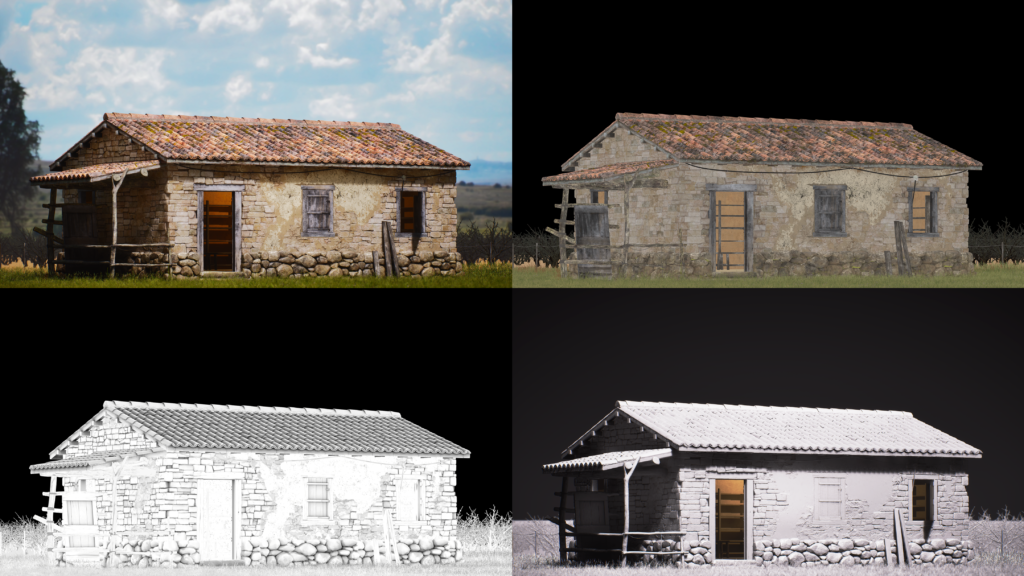
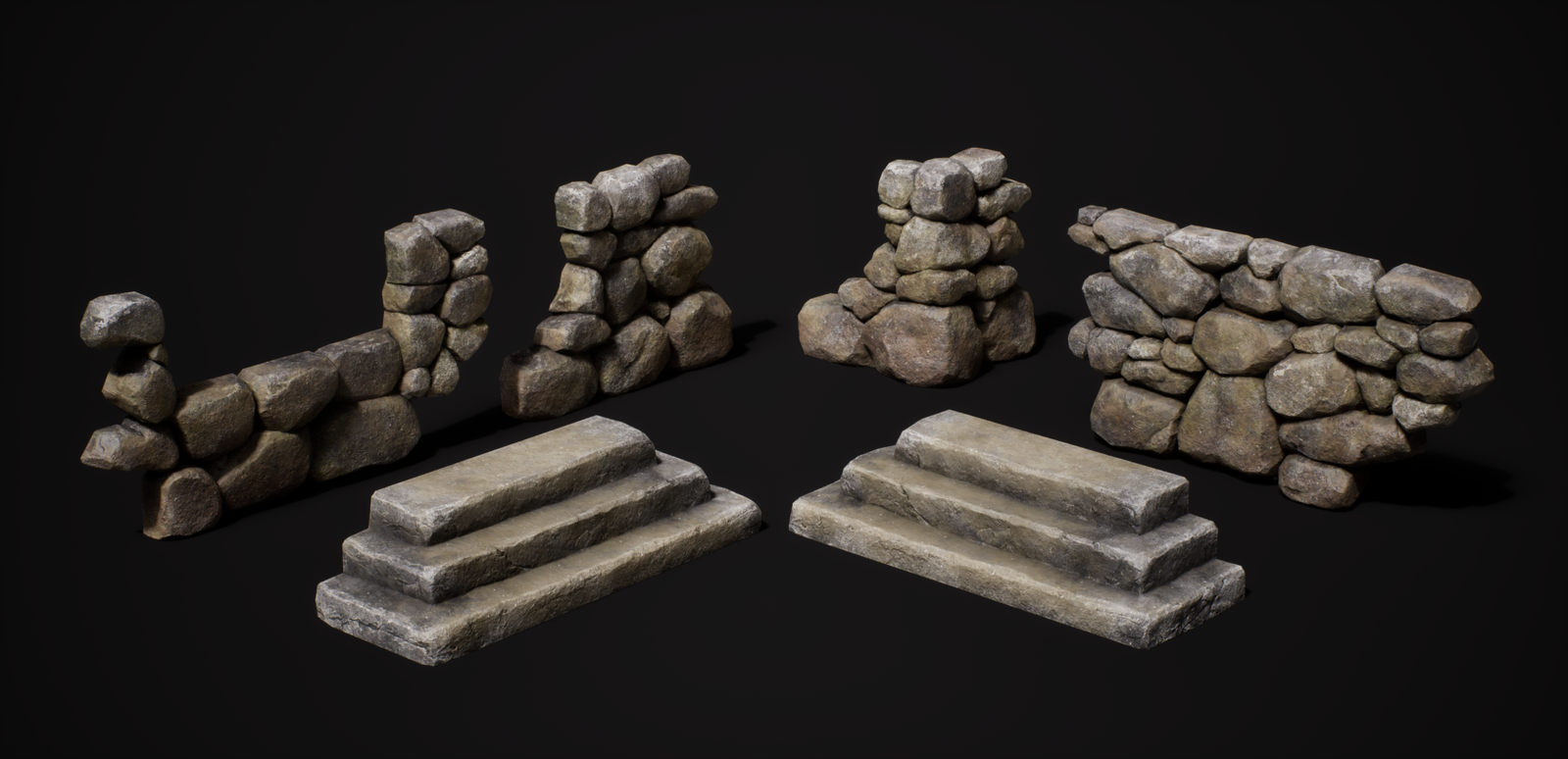
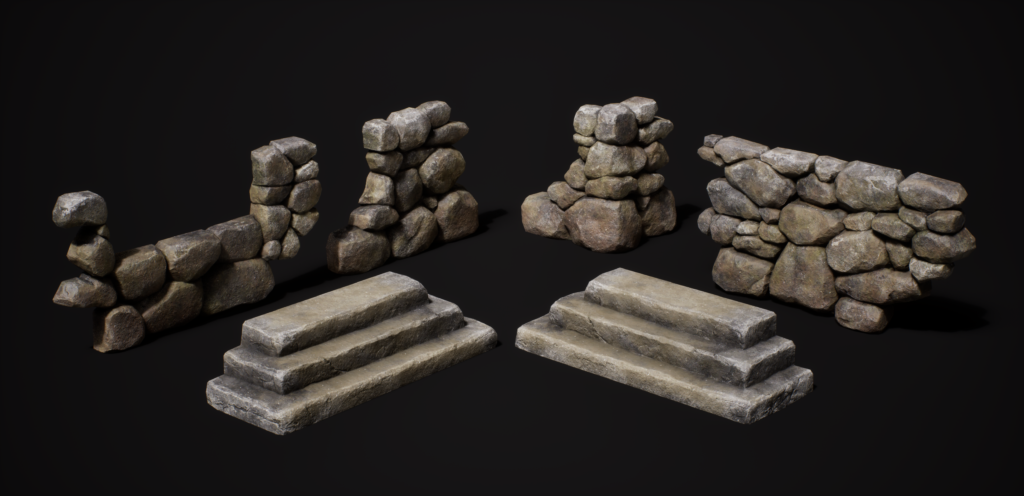
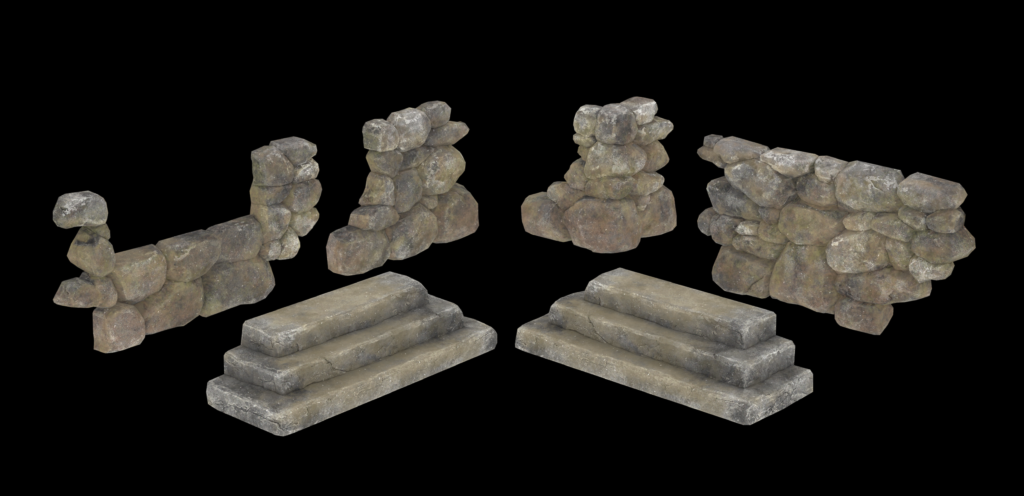
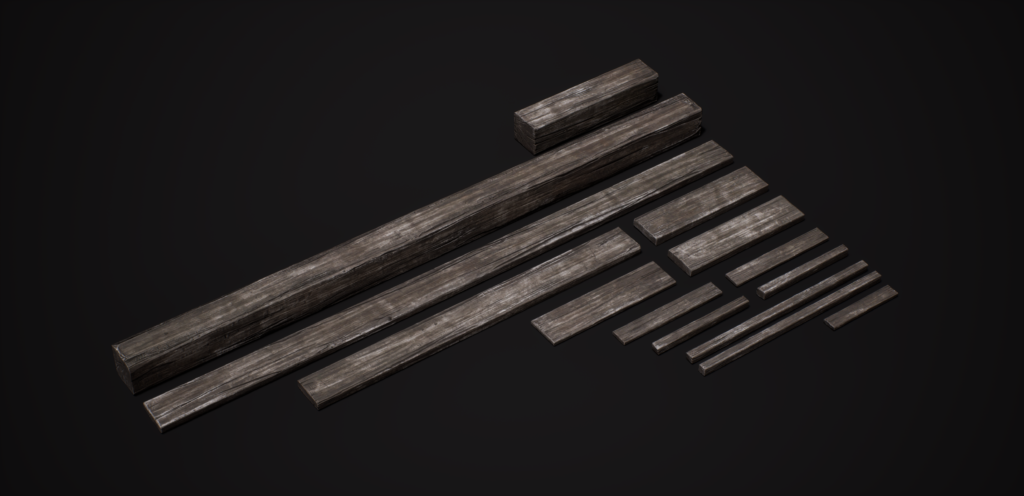
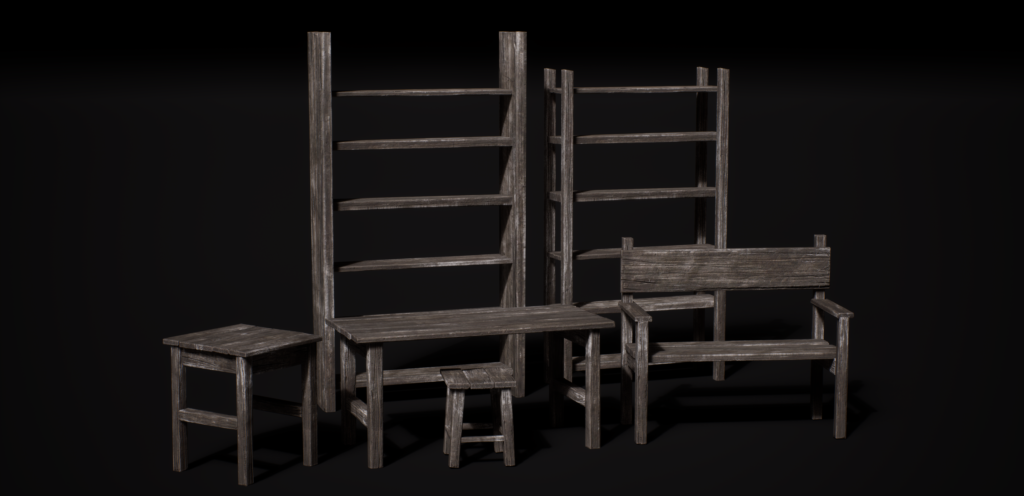
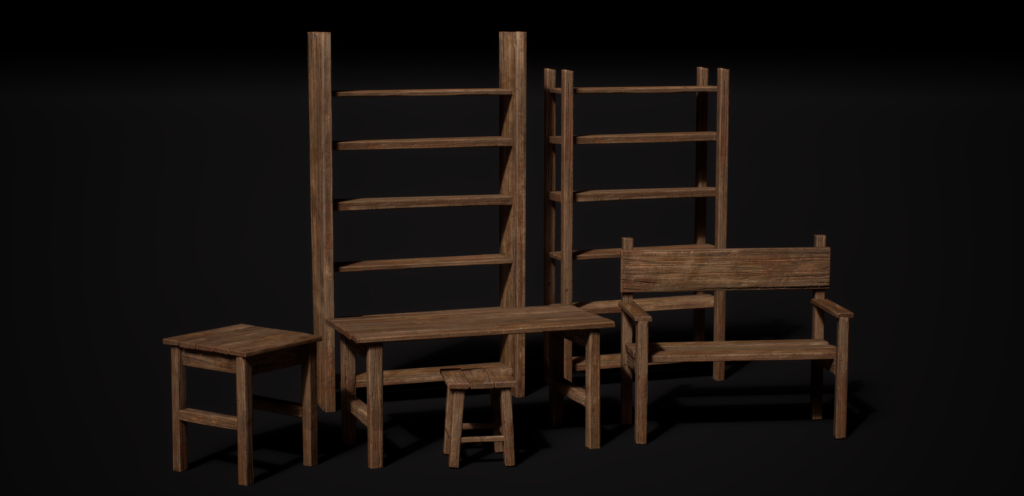
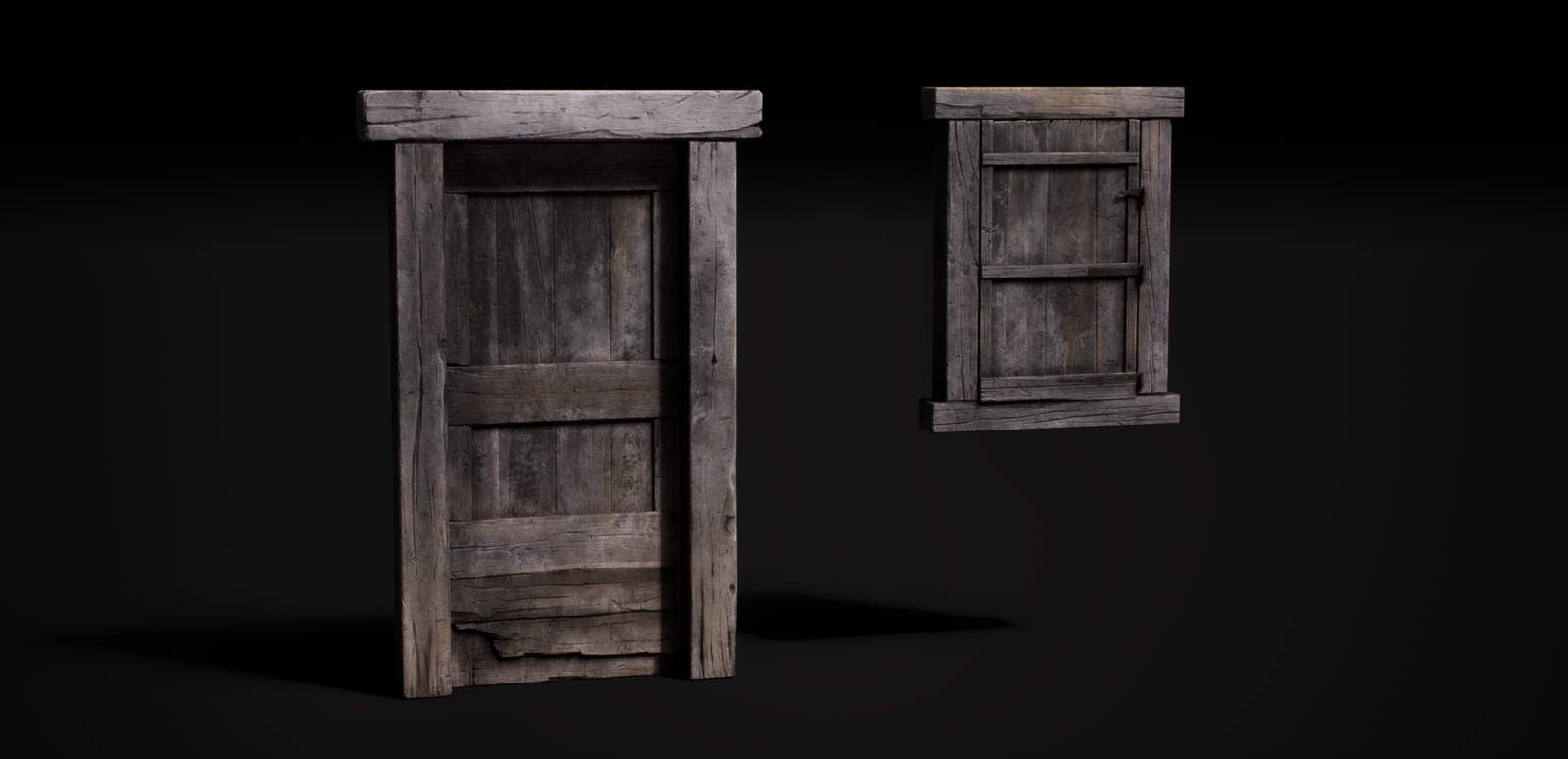
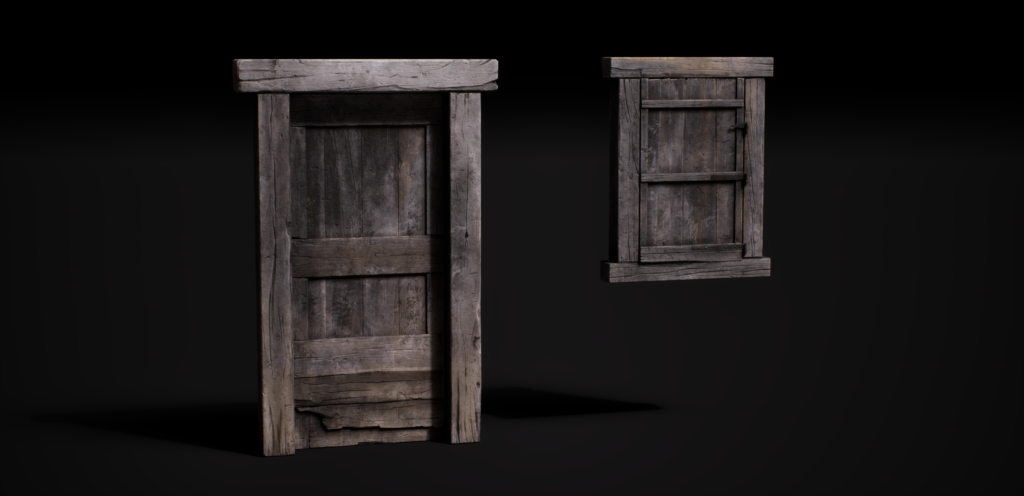
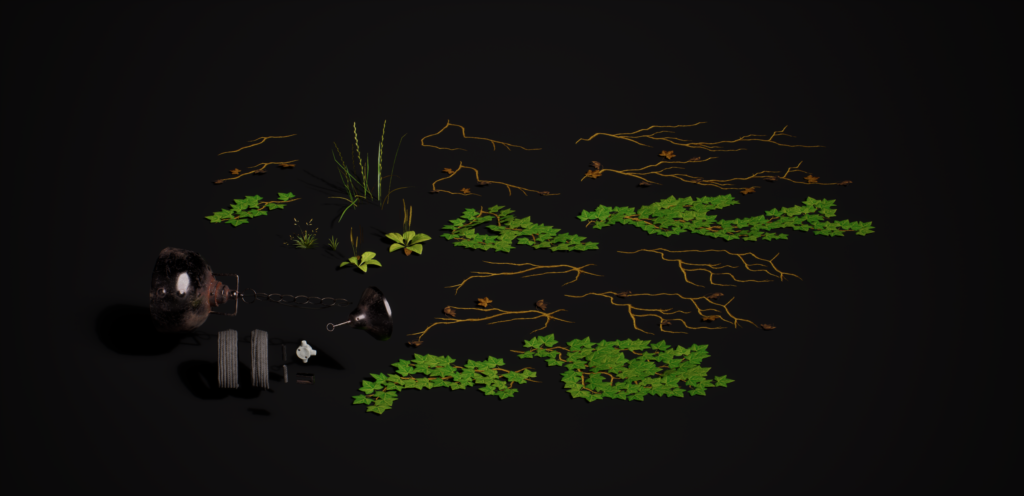
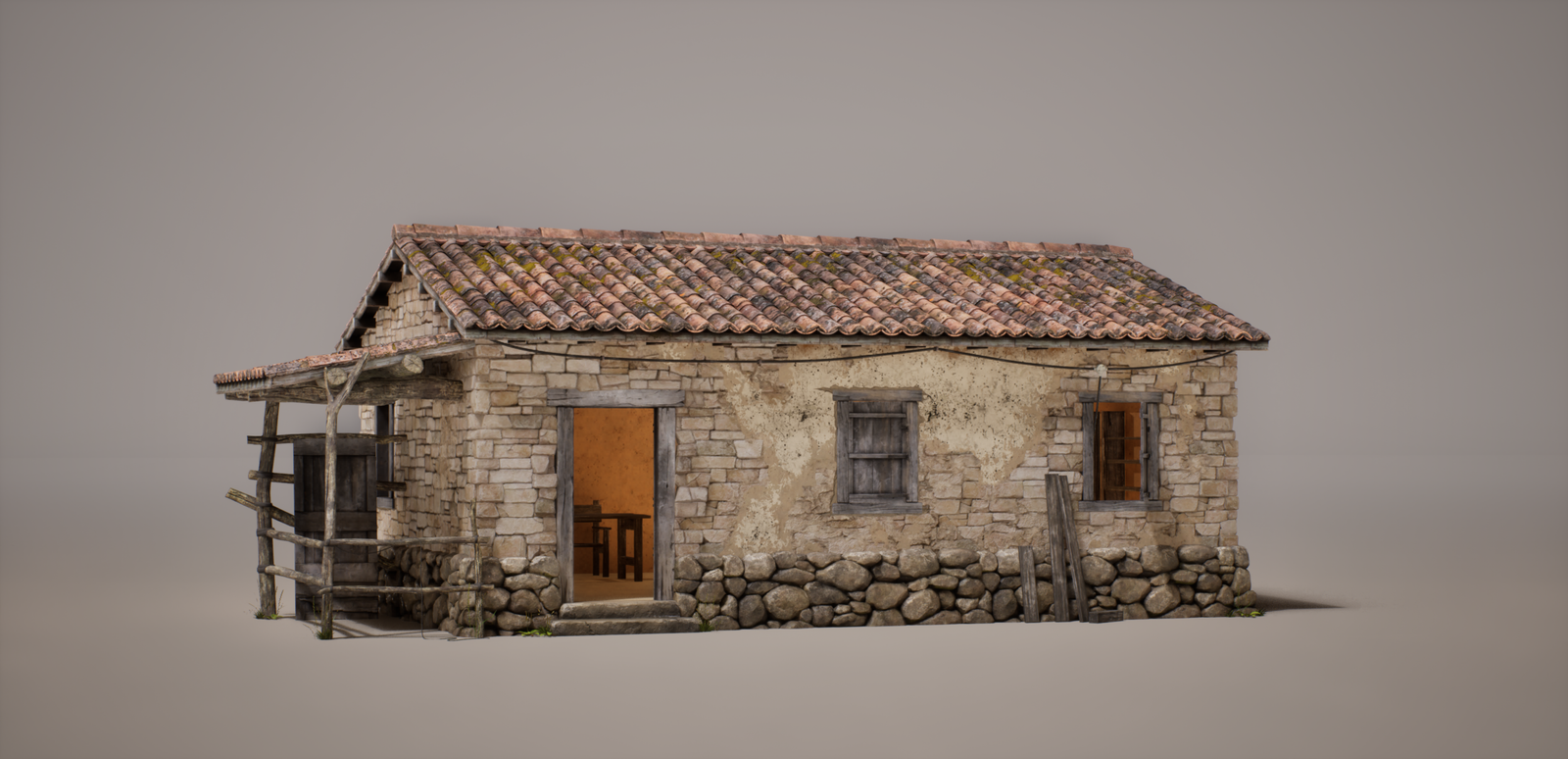
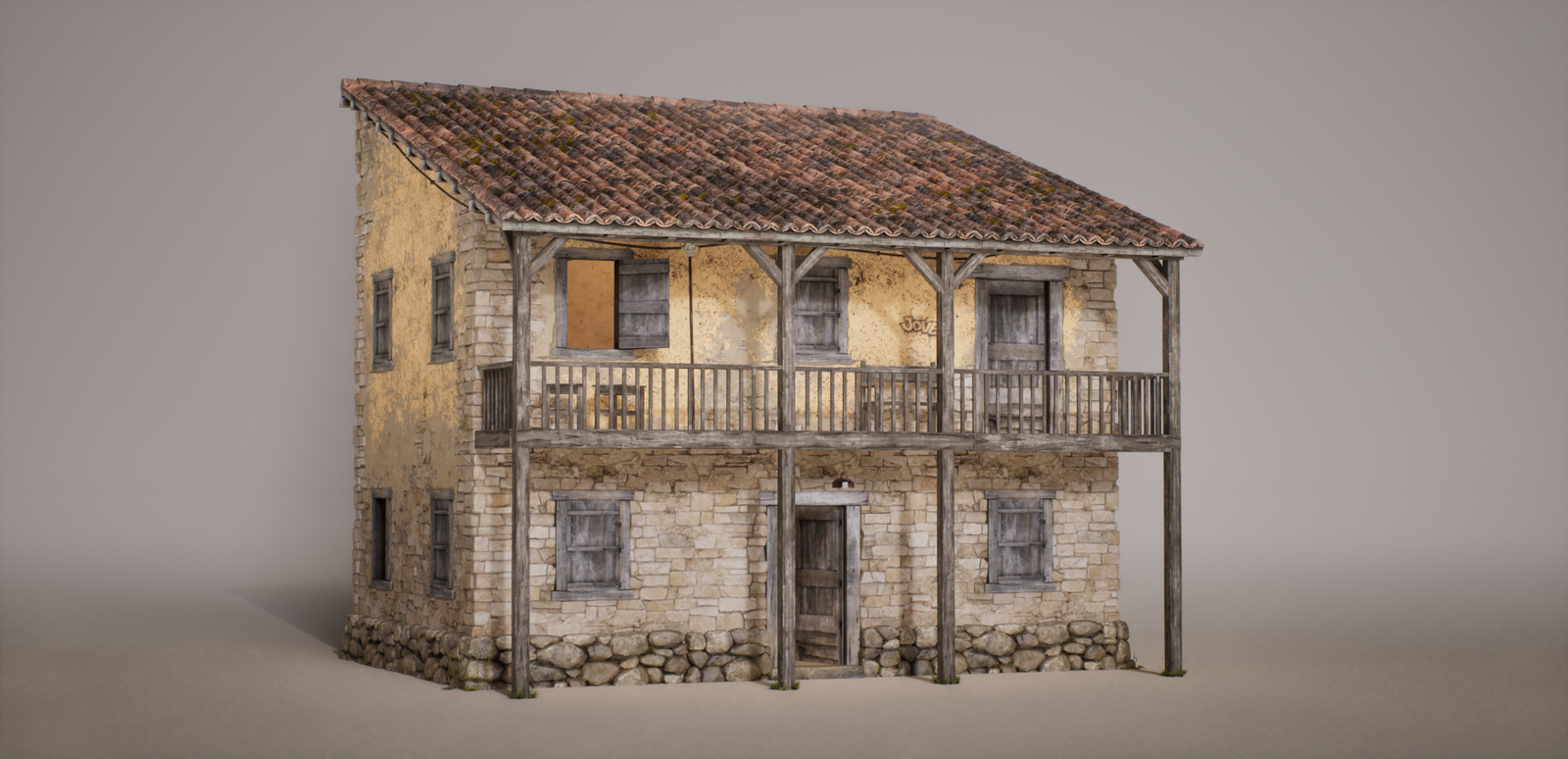
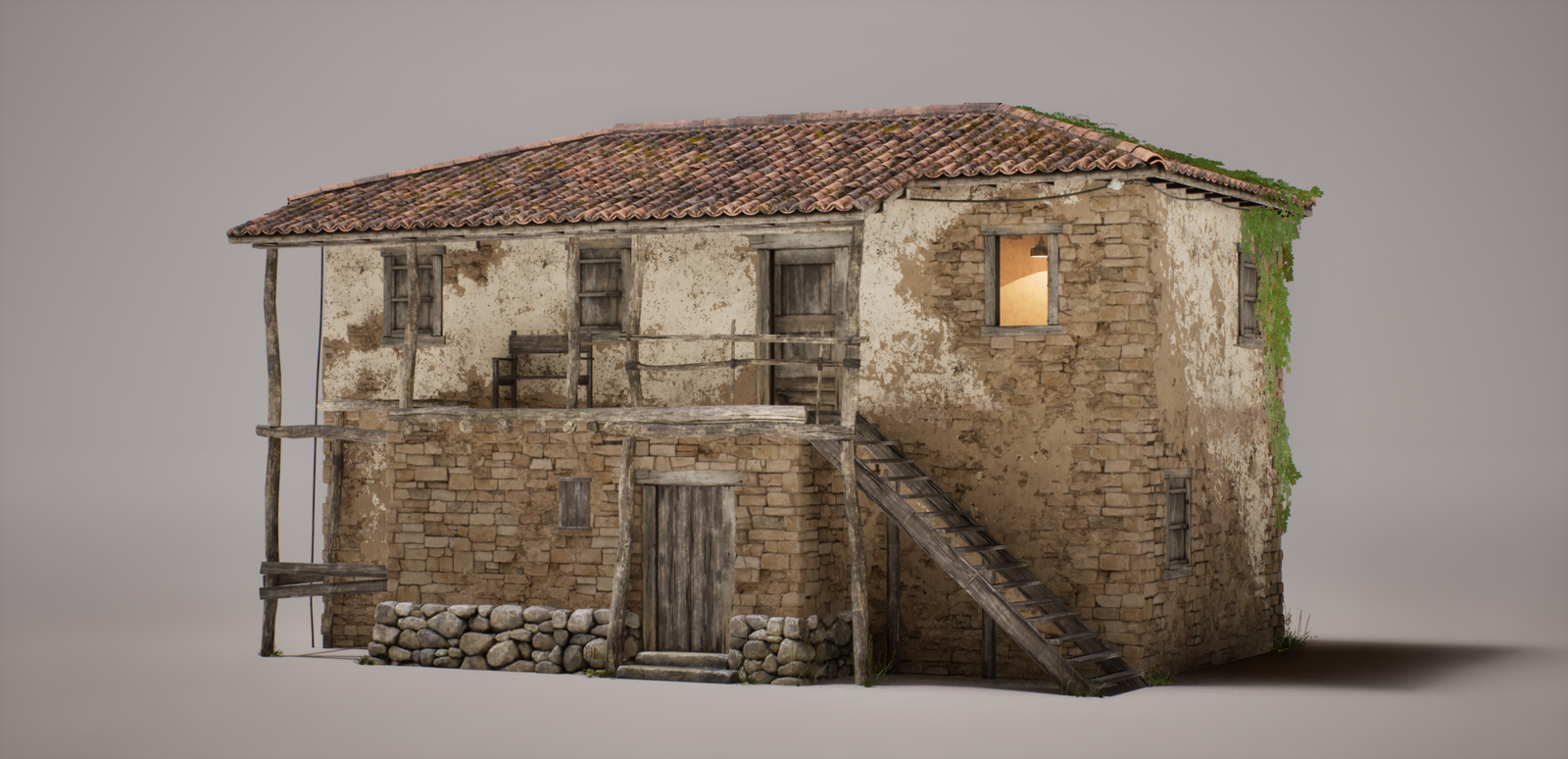
This project is a modular sack house environment developed over two months for real-time rendering in Unreal Engine 5. The focus was to create a production-ready modular kit that enables multiple structural variations while maintaining visual consistency and optimized performance.
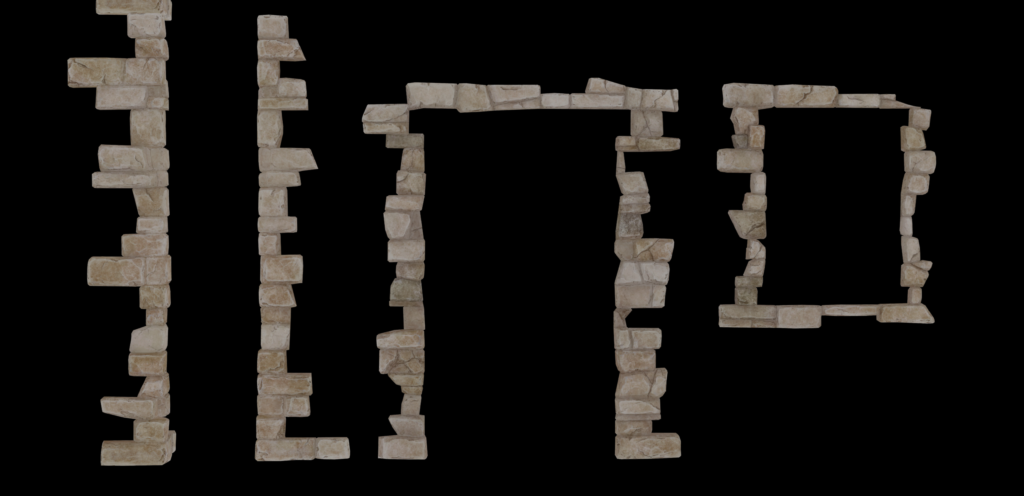
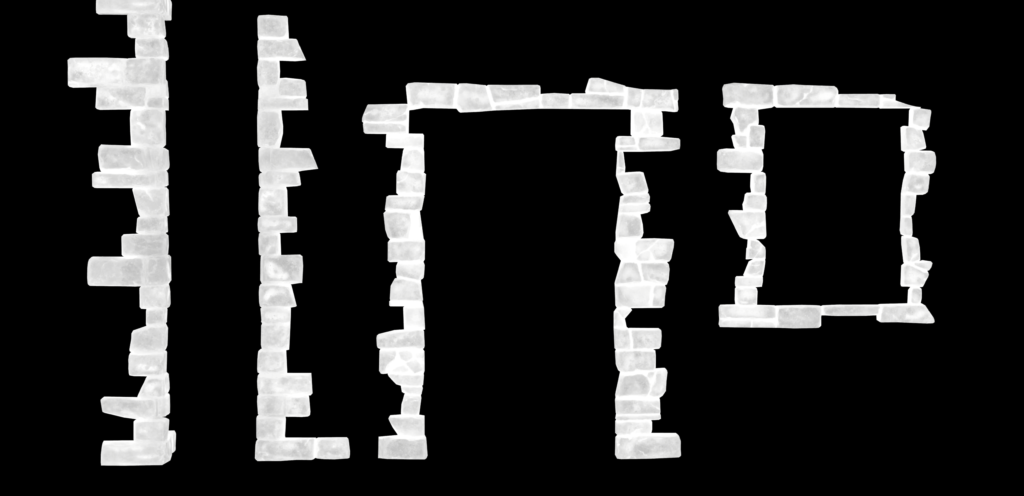
Highpoly details were sculpted in zBrush, with blockout and measurement established in Maya for precise grid alignment. Assets were retopologized and UV-mapped in Blender, baked in Marmoset Toolbag, textured in Adobe Substance 3D Painter, and assembled and validated in Unreal Engine 5.
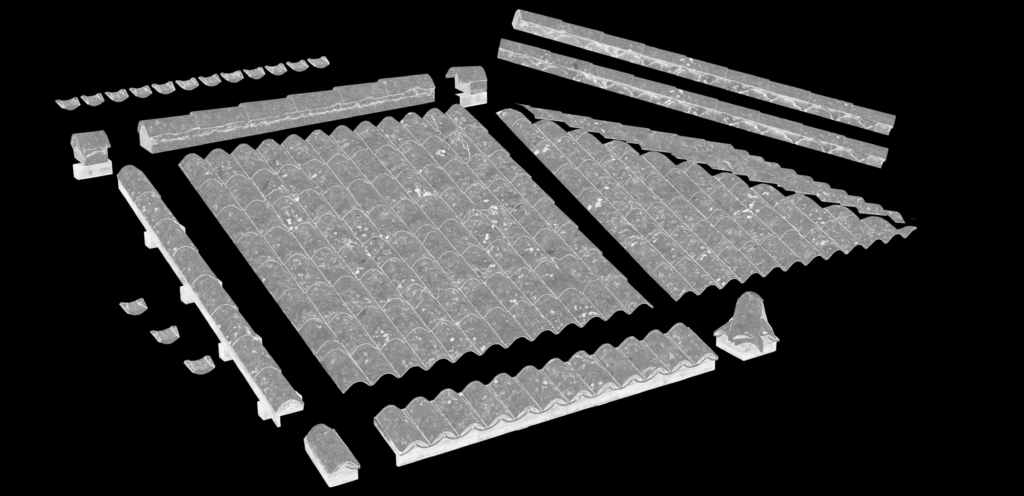
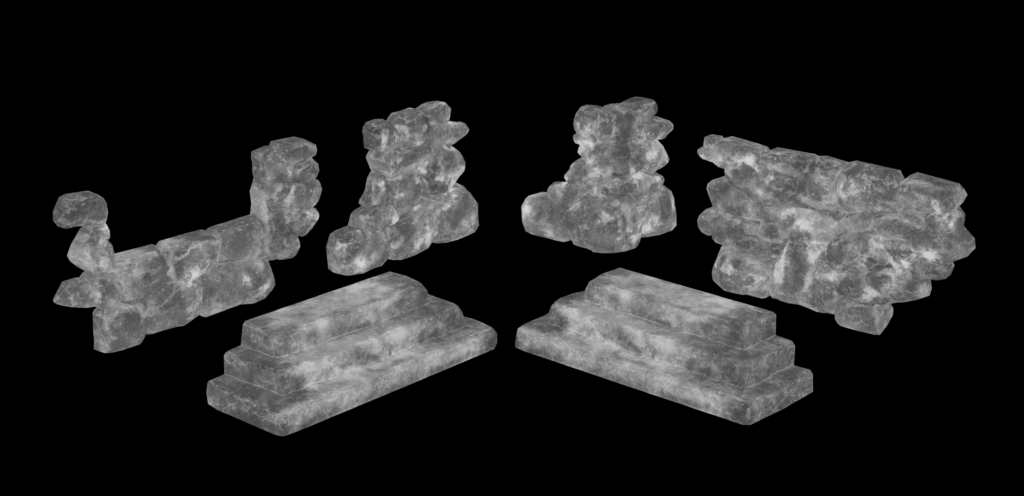
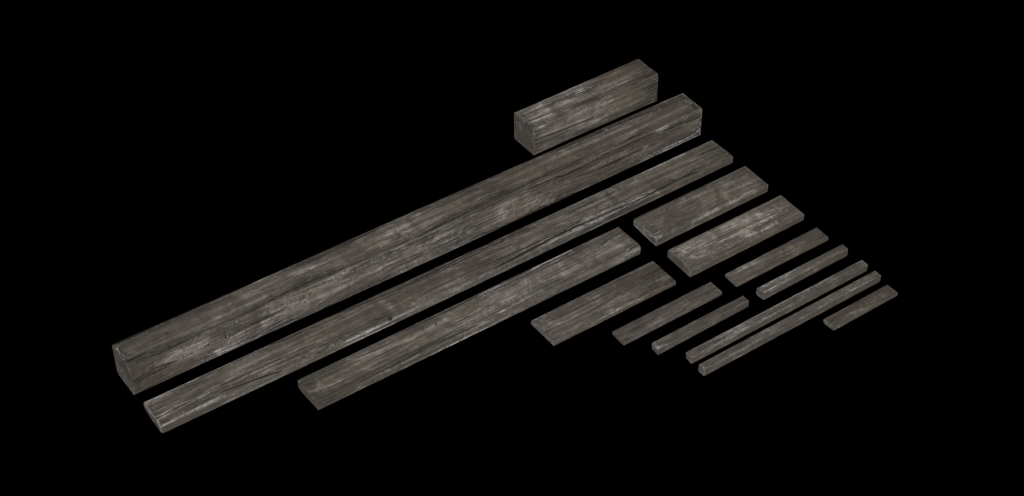
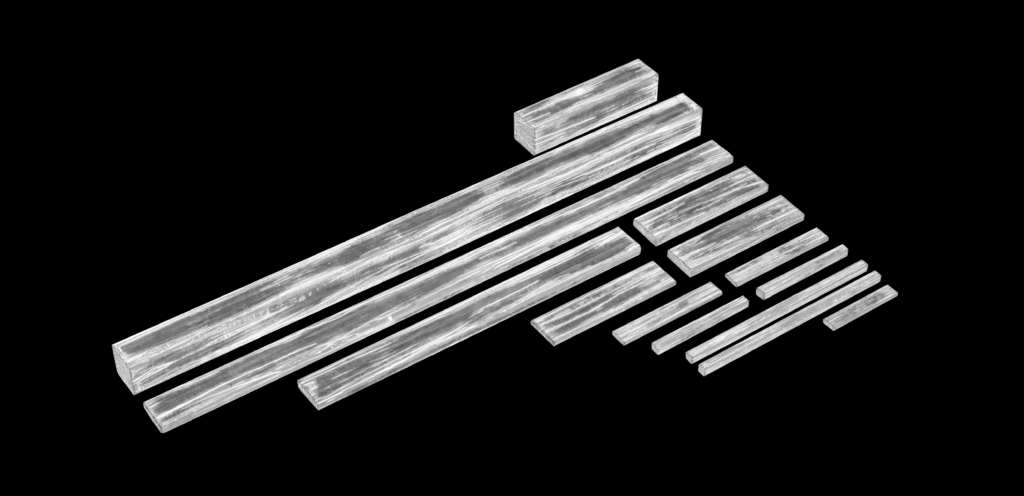
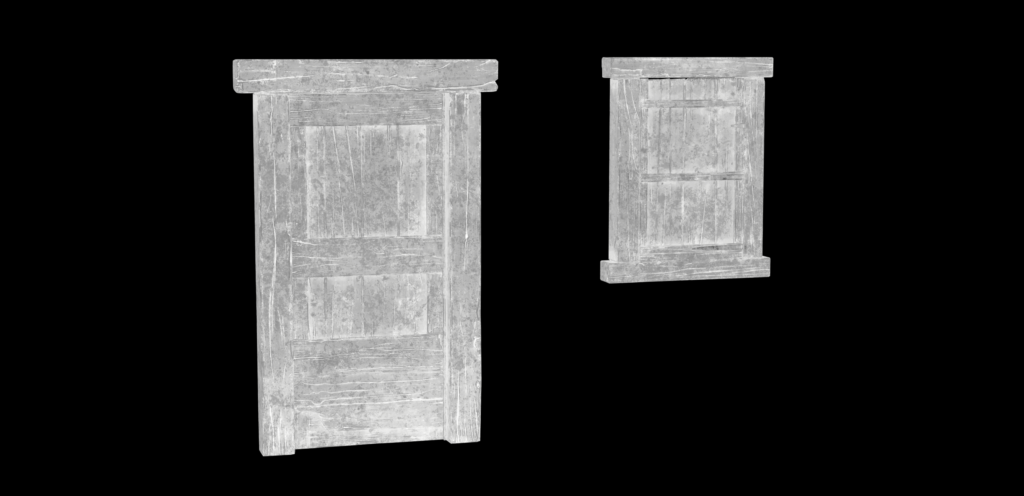
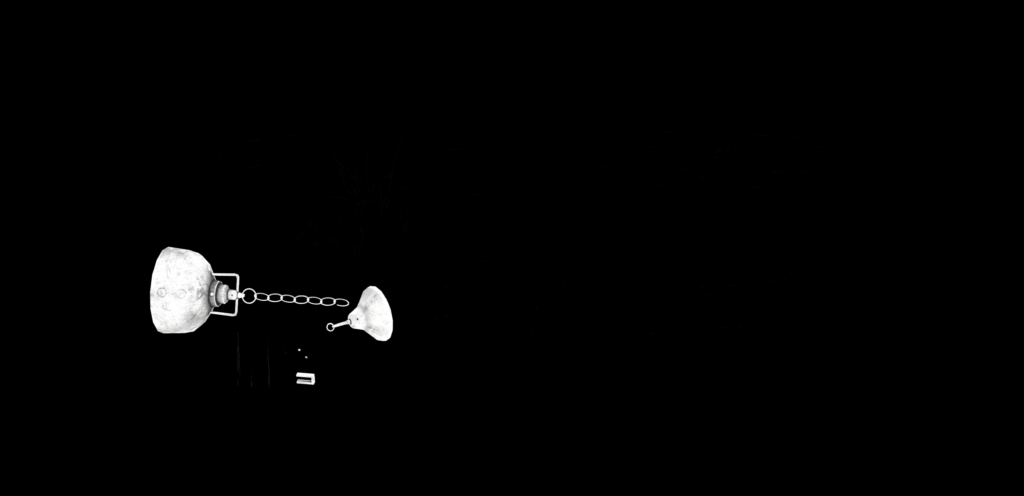
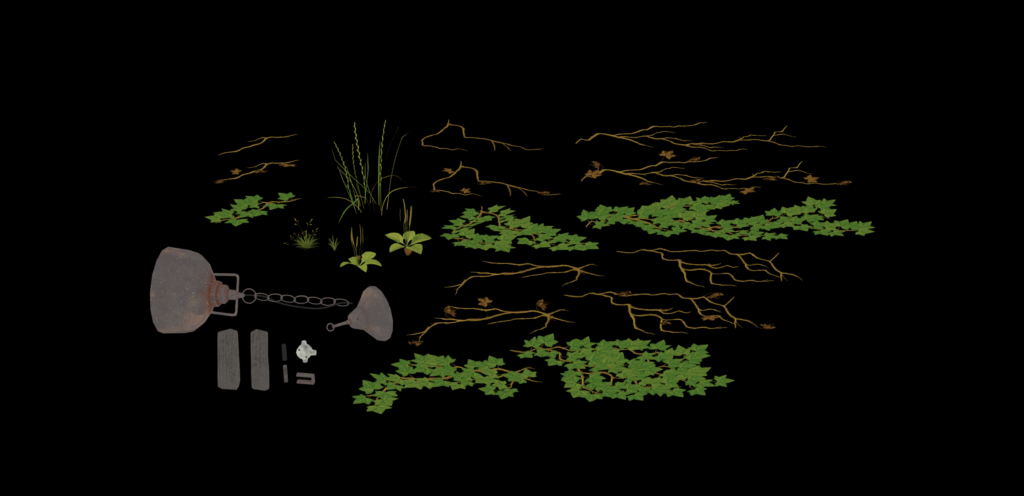
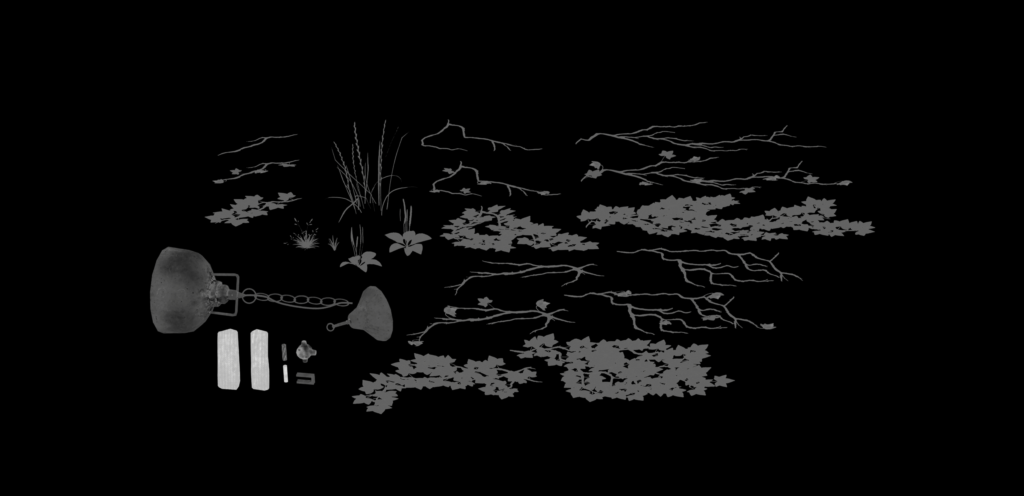
AOV Breakdown
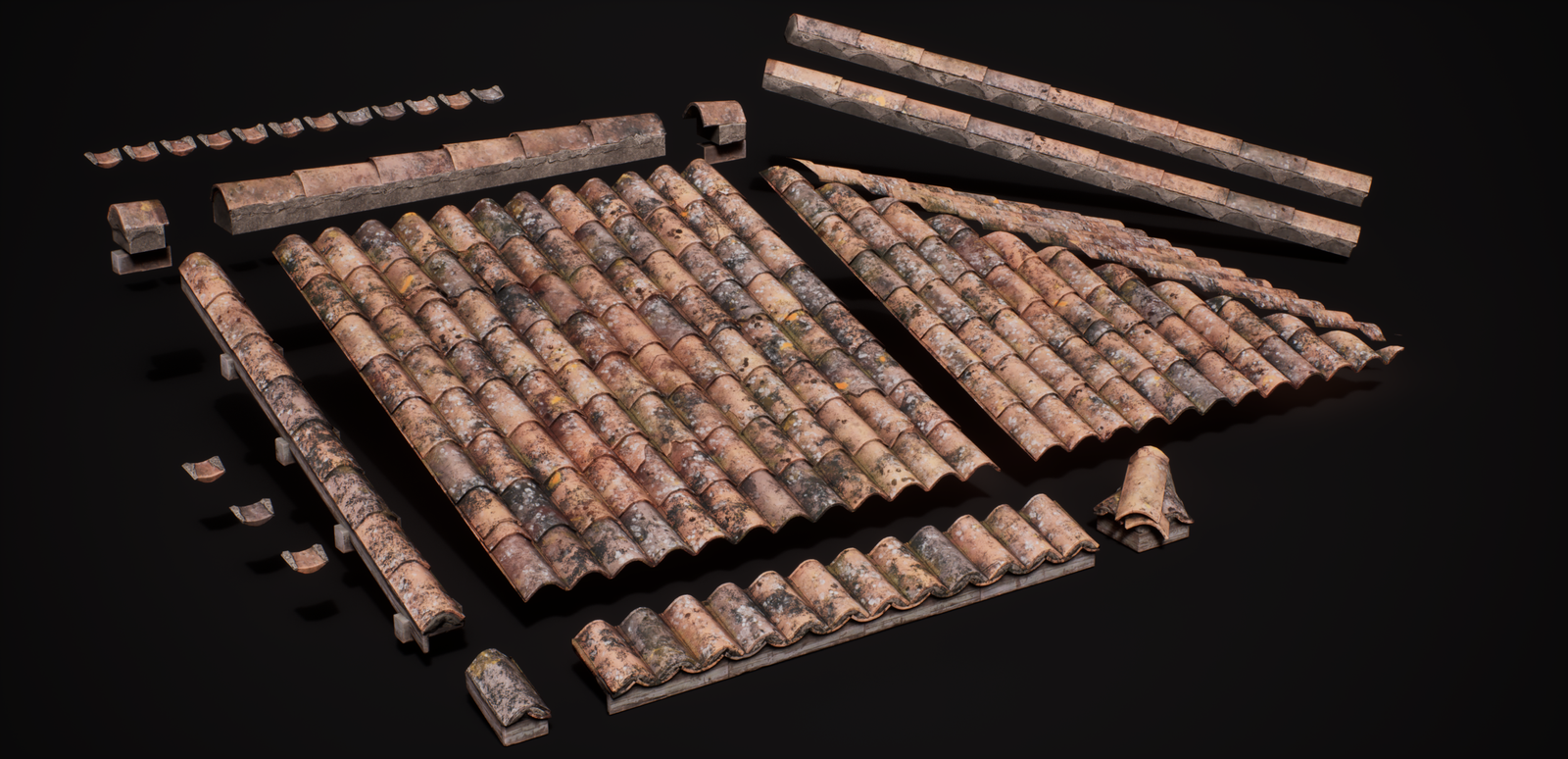
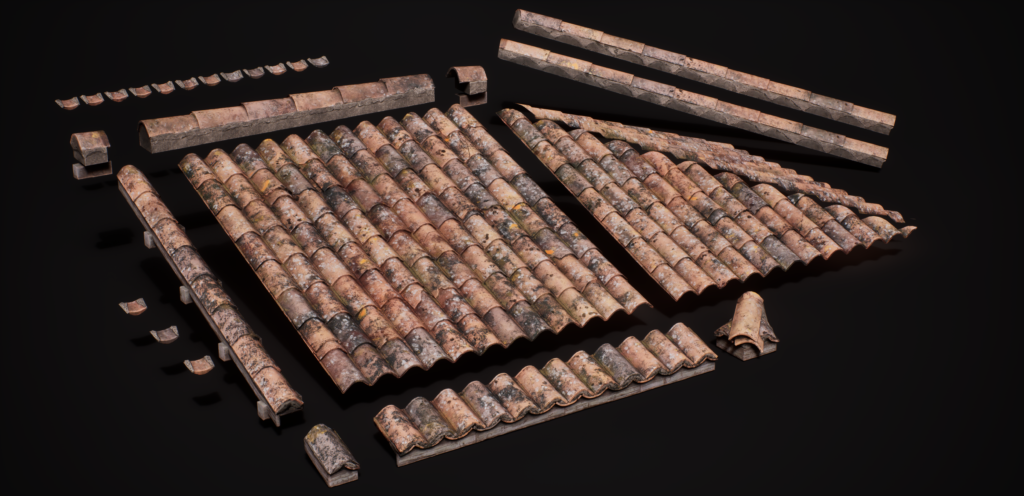
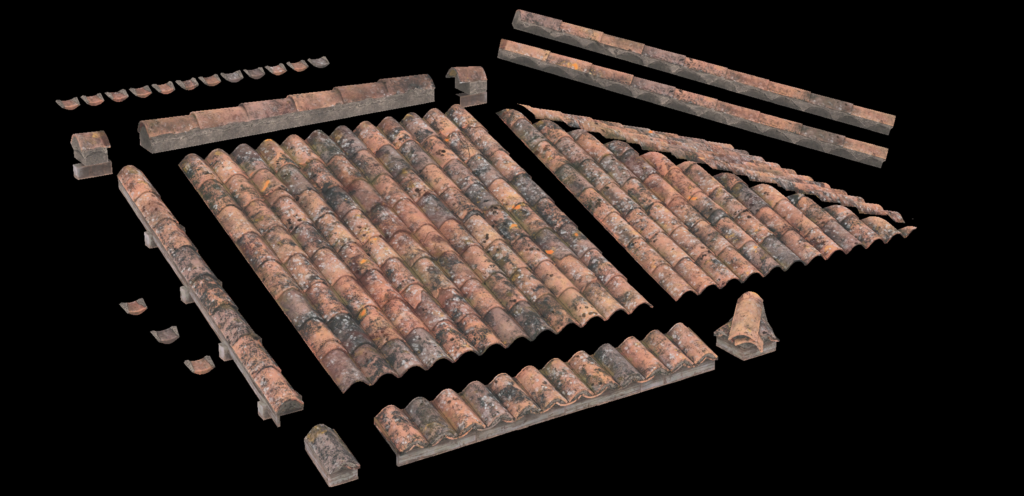
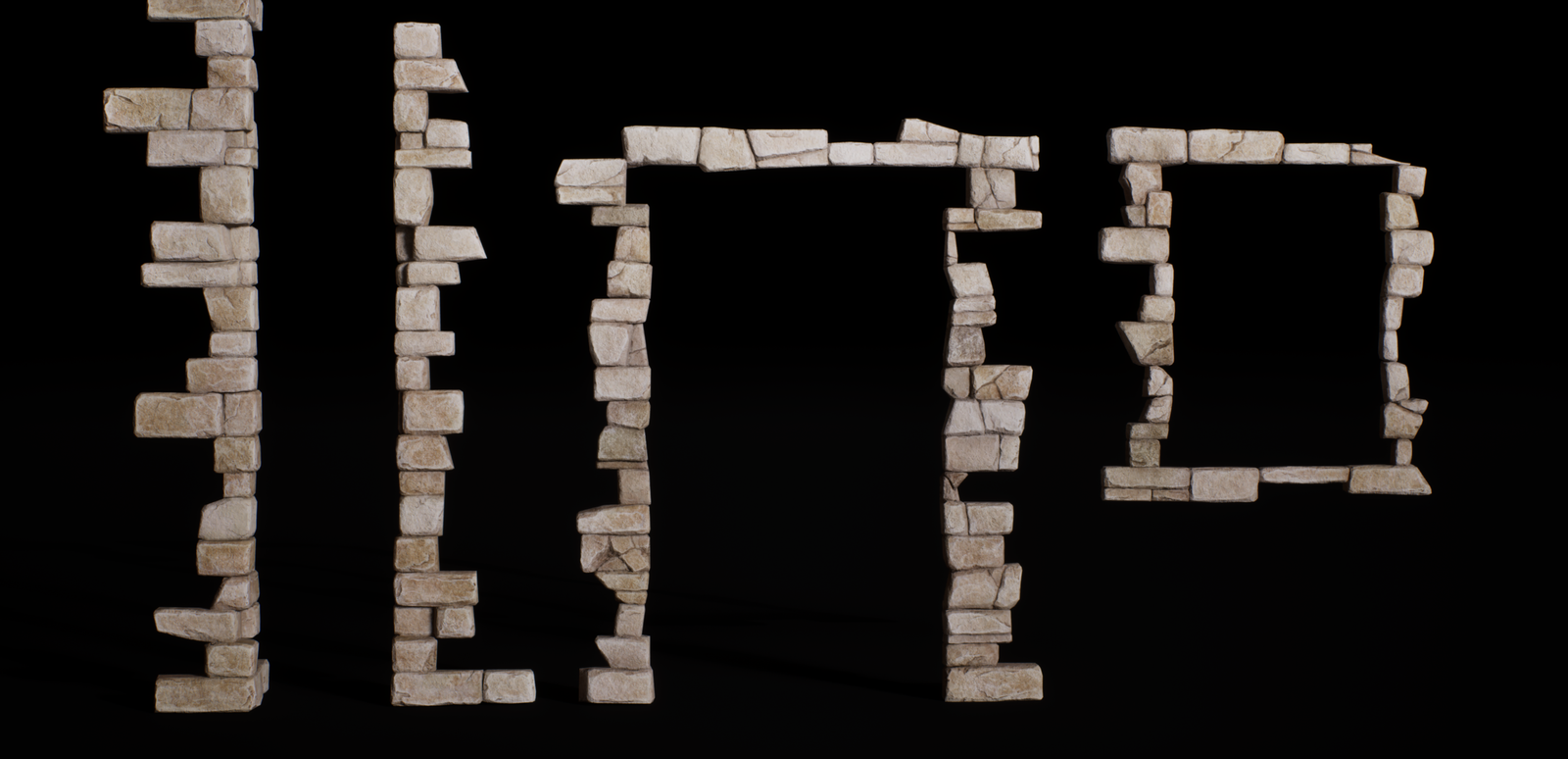
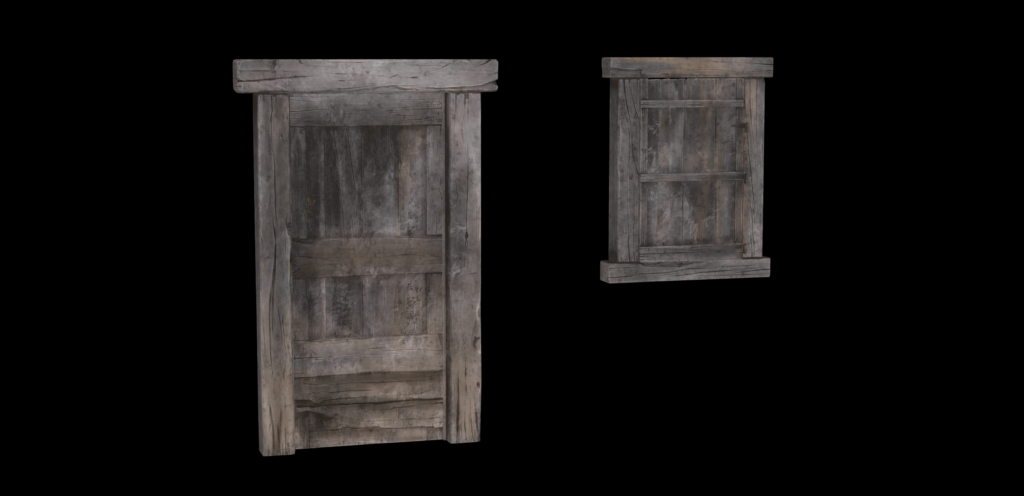
Kit Overview
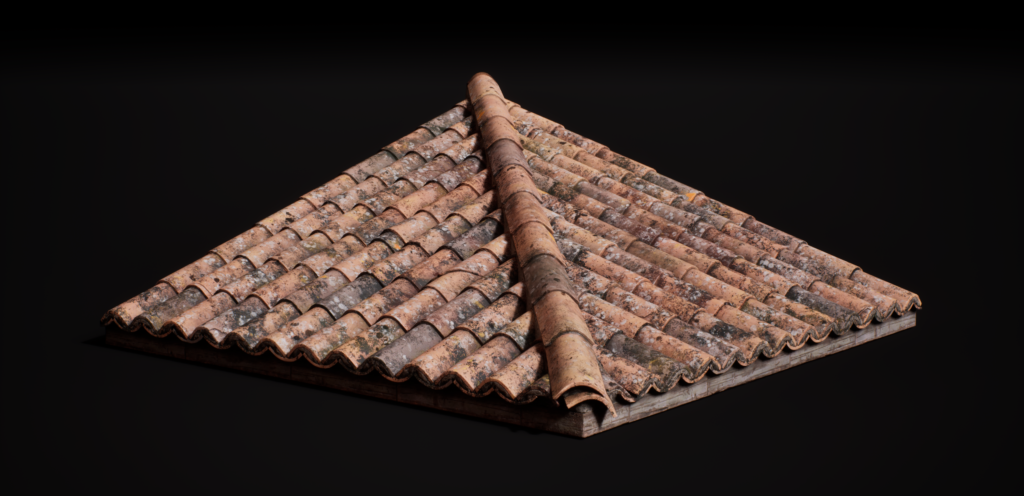
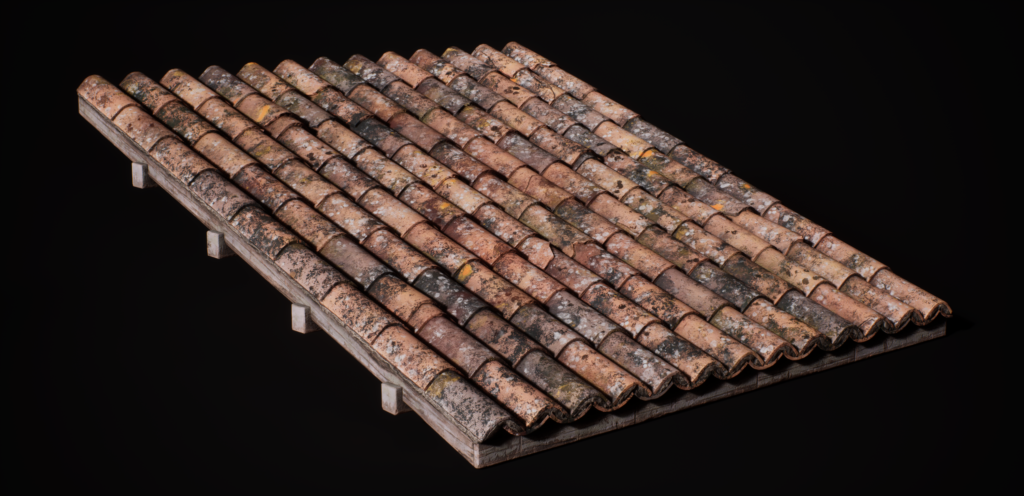
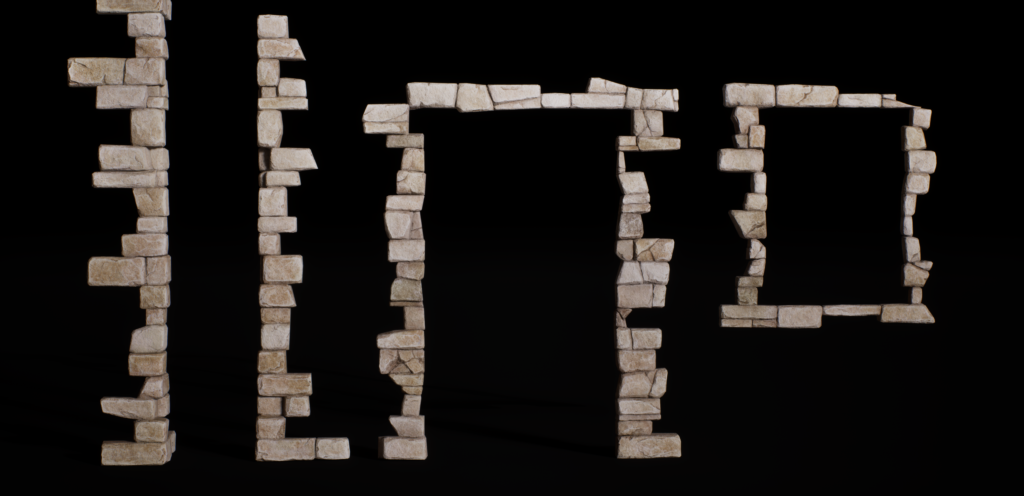
Modular Variations
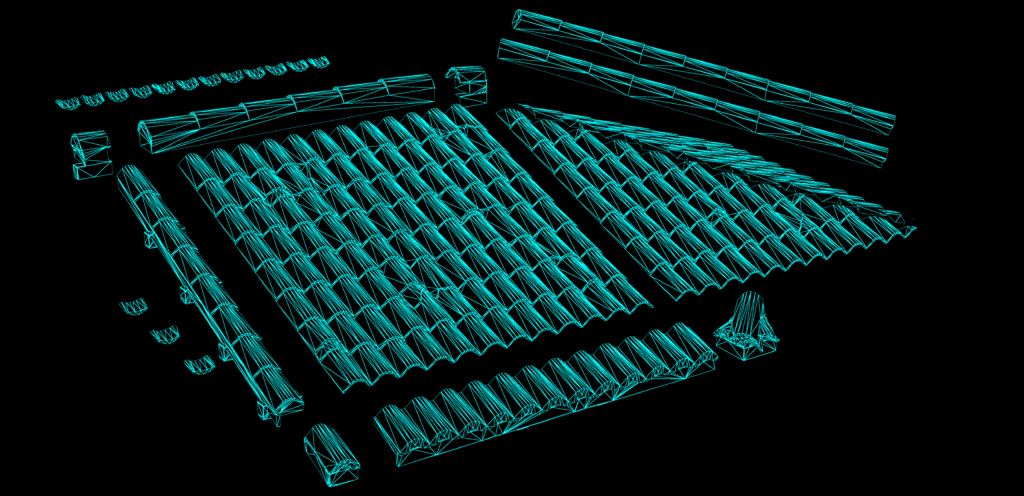
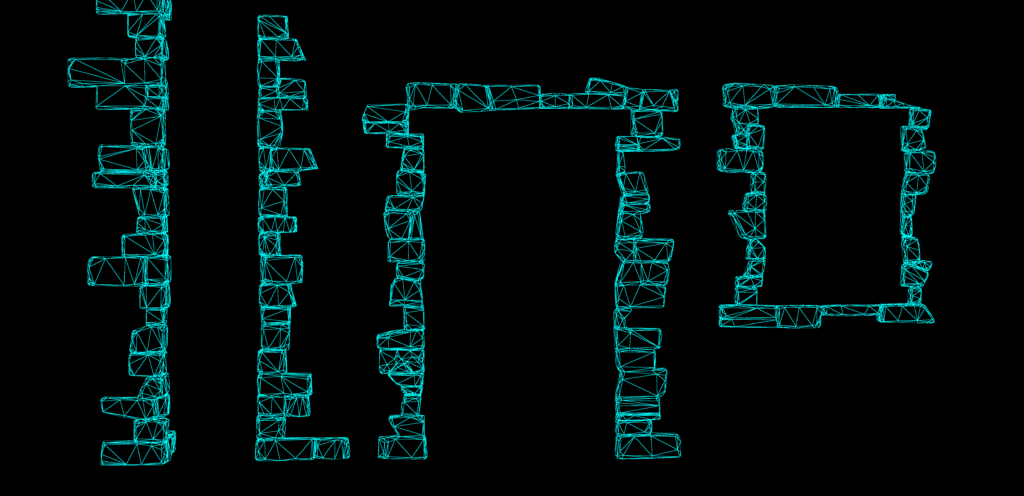
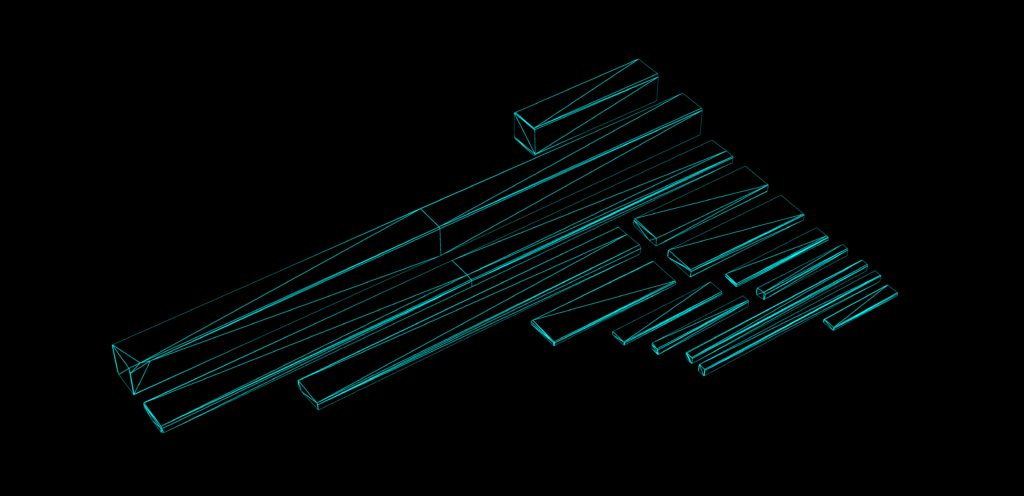
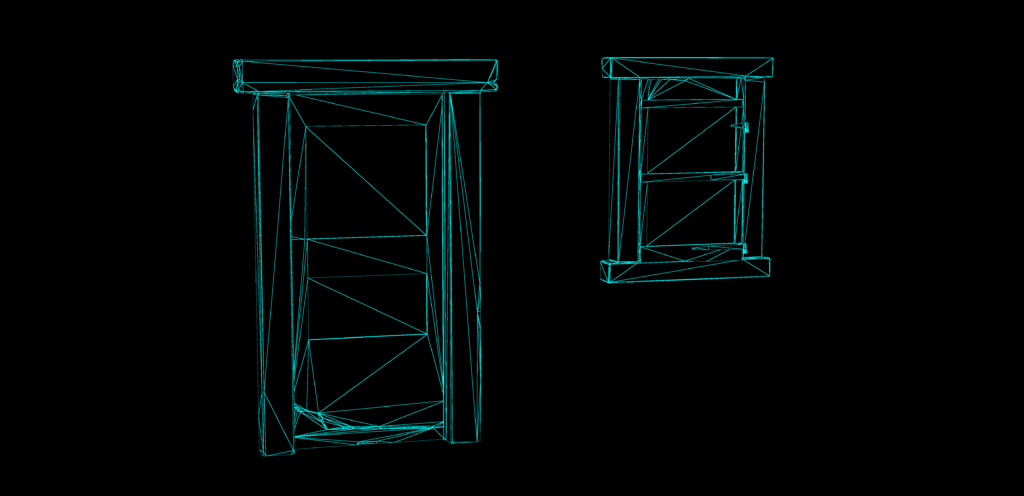
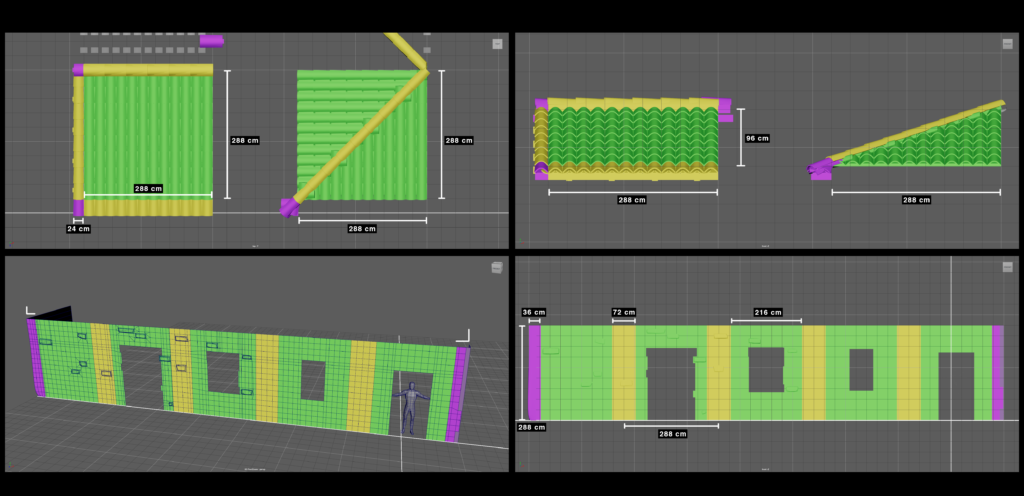
Technical Breakdown
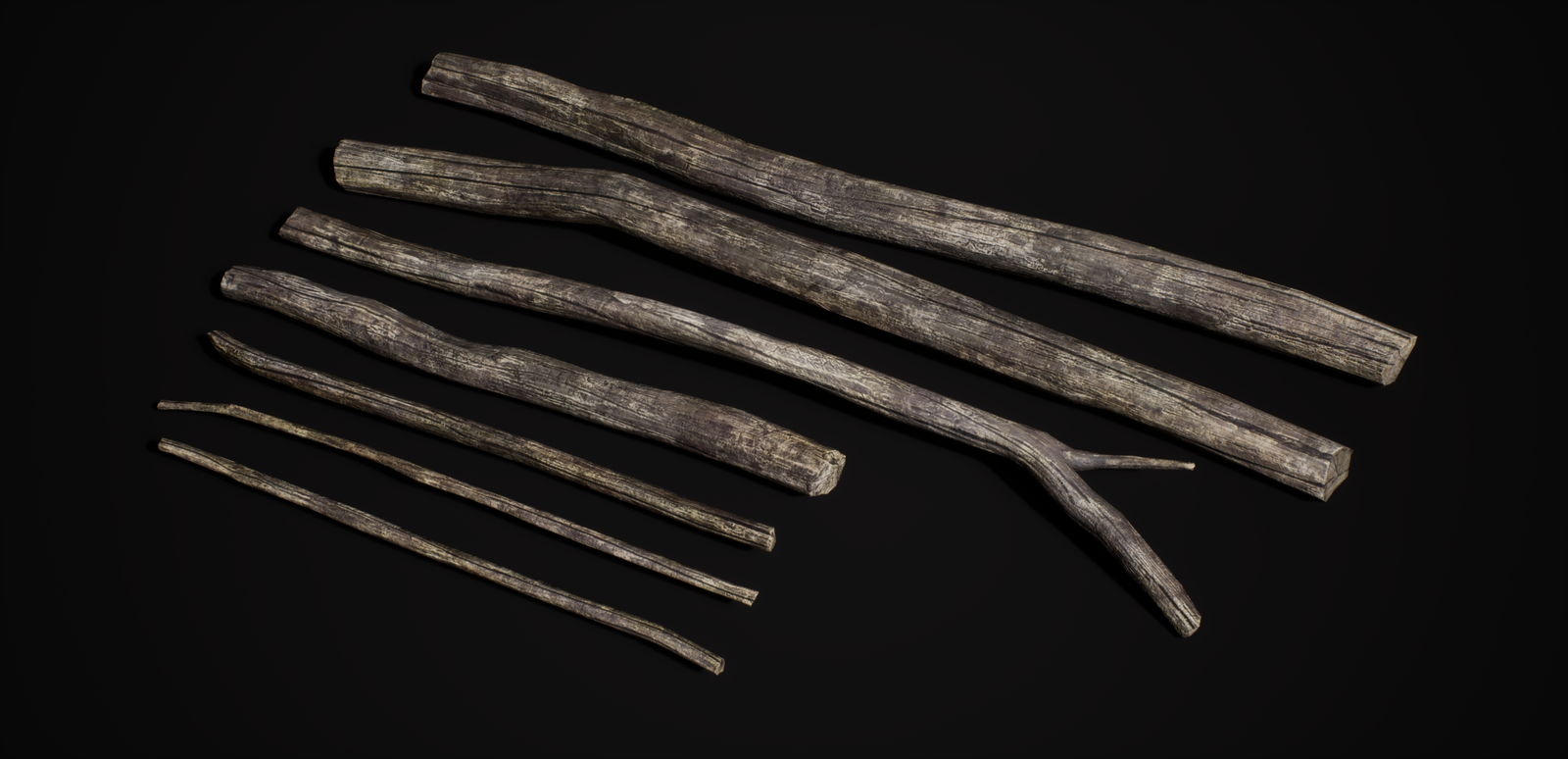
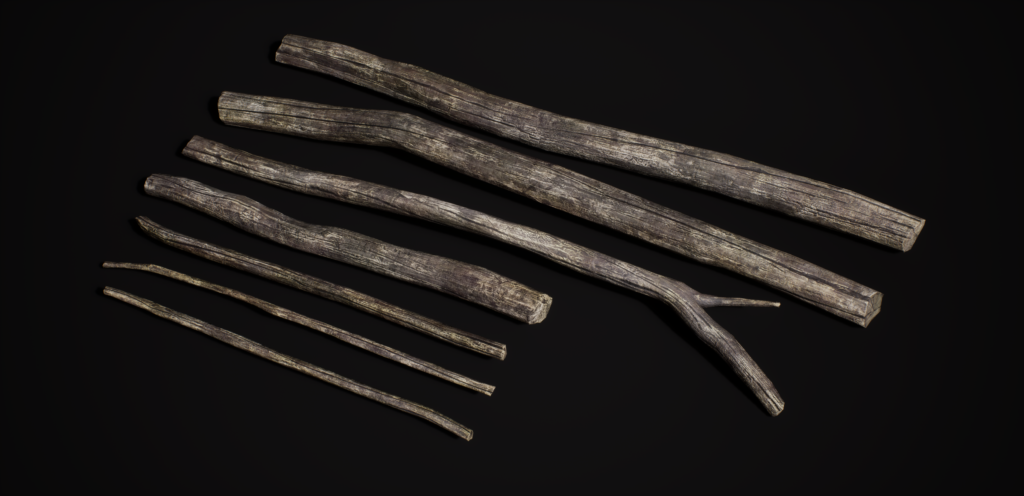
All wall and roof pieces follow a consistent centimeter-based scale to ensure clean grid snapping inside Unreal Engine. This allowed the kit to stay fully modular, making it easy to assemble different house variations while keeping proportions accurate.
The assets were designed for flexibility and reuse. Inside Unreal Engine 5, material parameters allow color and surface variation, while vertex painting adds dirt and plaster blending to create natural wear. This keeps the kit efficient while maintaining visual diversity across different instances.
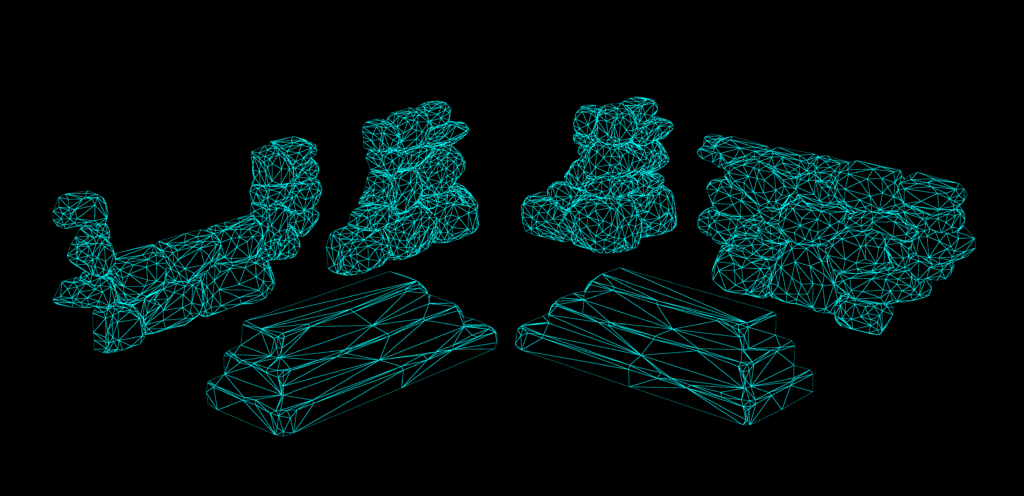
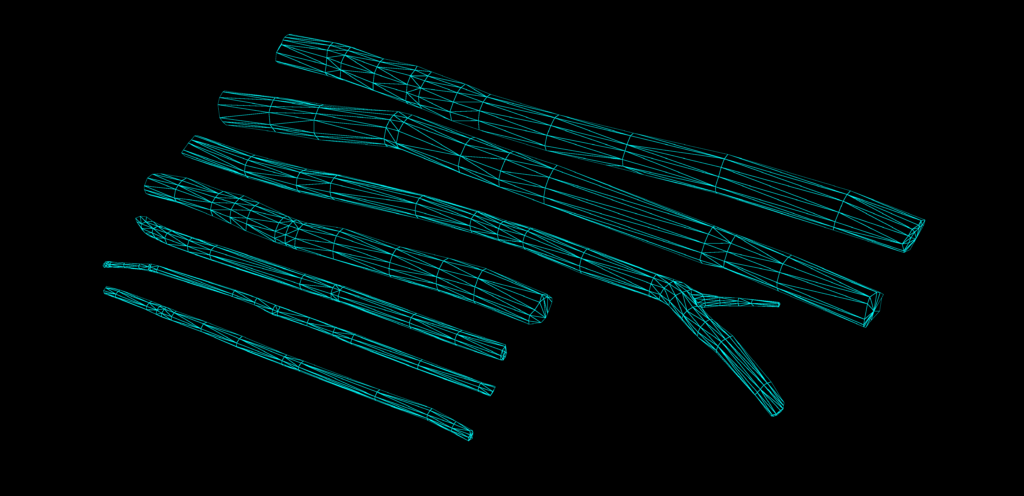
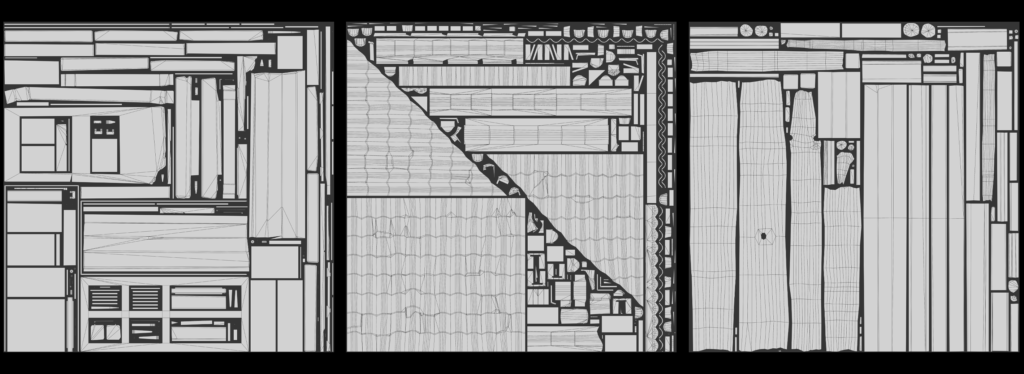
UVs were optimized for efficient texel density and clean baking results. Large surfaces were prioritized to maintain consistent resolution across modular pieces, while smaller elements were packed to minimize unused space.
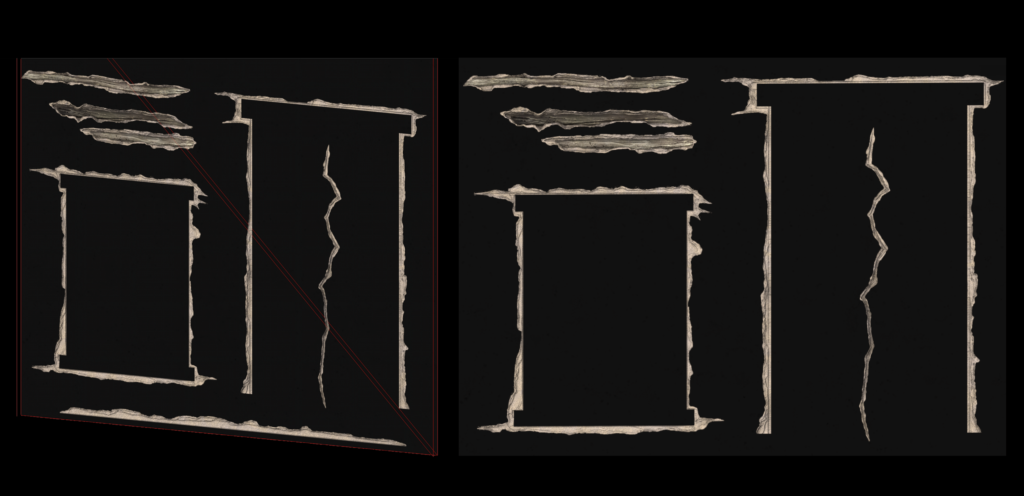
Custom decals were created to add localized damage, especially around door frames and window frames. This approach adds detail and realism without increasing mesh complexity. Some decal variations were explored during production but were not used in the final scene.
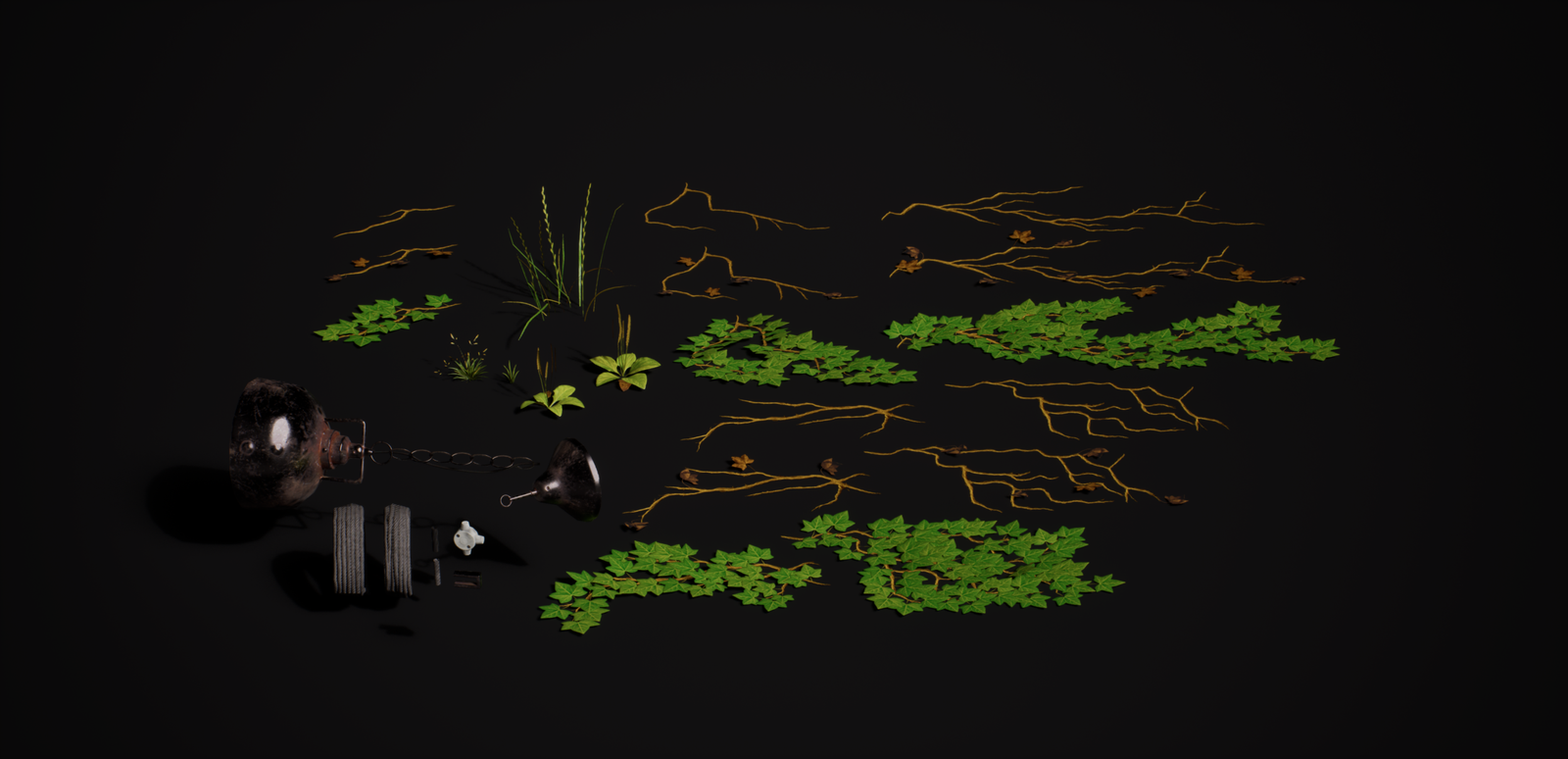
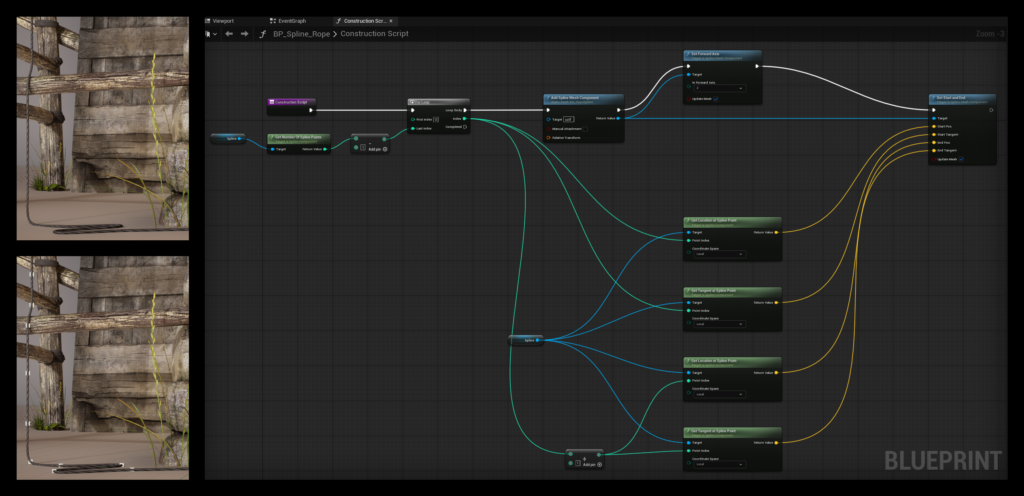
A spline-based blueprint was created in Unreal Engine 5 to generate an adjustable rope system. The rope follows a spline path, allowing quick placement and flexible shaping directly in the viewport. This improves workflow efficiency for environmental dressing. The same approach was also applied to create cable variations.